
Is This the New Maldives? Discover the Untouched Beauty of Maratua Island
Table of Contents
When people think of tropical paradises in Indonesia, Bali often steals the spotlight. However, for those willing to venture off the beaten path to the edge of the Celebes Sea, a hidden horseshoe-shaped sanctuary awaits. Welcome to Maratua Island, an exotic frontier in the Derawan Archipelago that travelers are calling the "Maldives of Indonesia."

From crystal-clear lagoons to rare encounters with oceanic giants, here is why Maratua is the ultimate bucket-list destination for 2024 and beyond.
A Geography Like No Other
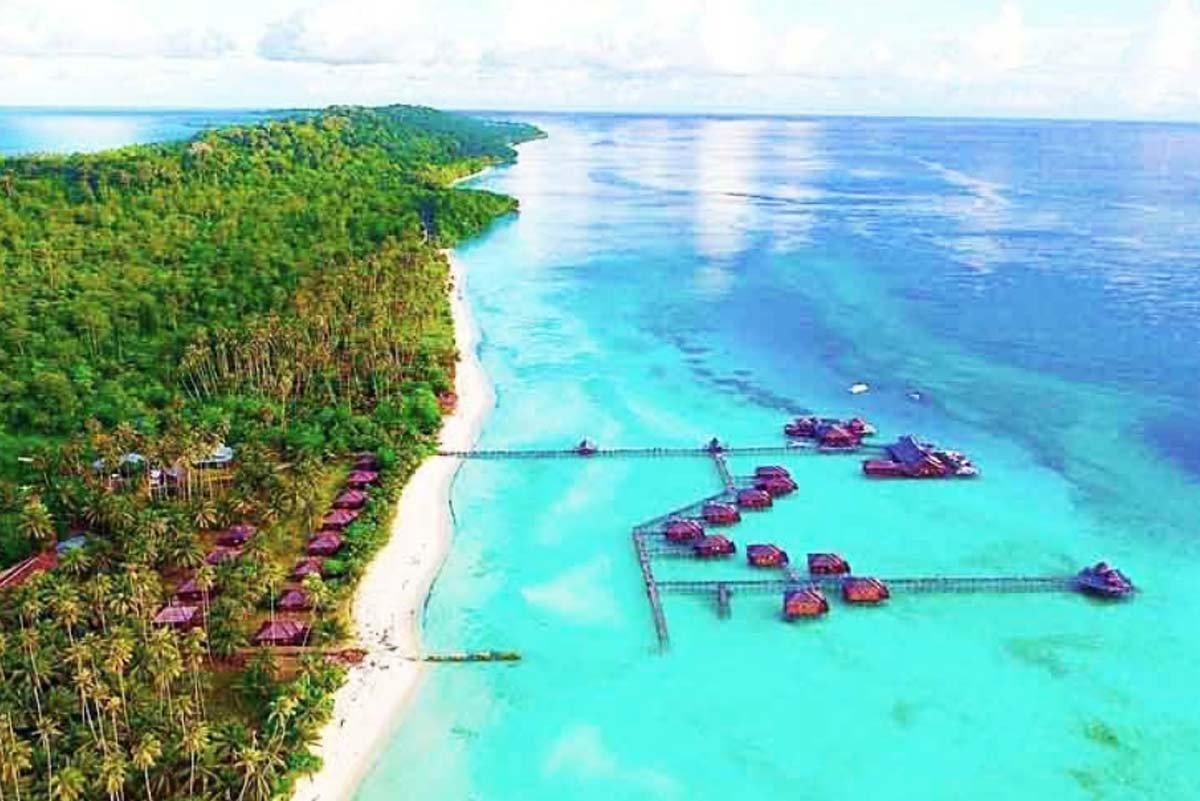
Located in the Berau Regency of East Kalimantan (Borneo), Maratua is a giant atoll with a massive turquoise lagoon tucked inside its curvature. Unlike many islands that are just dots in the ocean, Maratua’s unique "U" shape creates a protected sanctuary for marine life, making it one of the most biodiverse places on Earth.
The Underwater Safari: Diving into the "Big Fish" Capital
If you are a diver, Maratua is legendary. While other spots boast colorful corals, Maratua is famous for its "big action" currents.
1. The Channel (Big Fish Country): This is where the magic happens. Strong currents bring in pelagic fish by the thousands. Expect to see massive schools of Barracuda forming "tornadoes," reef sharks patrolling the depths, and dozens of sea turtles.
2. Turtle Traffic: Maratua is a major nesting ground for Green Sea Turtles. It is common to see ten or more turtles in a single dive—or even just by looking down from your resort’s jetty.
3. The Whale Shark & Orca Phenomenon: Recently, Maratua has gained global attention for sightings of Orcas (Killer Whales) passing through its deep trenches. Additionally, nearby Talisayan offers the rare chance to swim with gentle Whale Sharks in their natural habitat.
Beyond the Blue: Land Adventures
Maratua isn't just for divers. The island offers terrestrial wonders that feel like scenes from an adventure movie:
- Halo Tabung Cave: A stunning brackish water cave hidden amidst the jungle. Its deep blue, crystal-clear water invites the brave to take a leap from the limestone cliffs into the cool depths below.
- Kehe Daing: A "hidden" lagoon accessible only through a narrow cave tunnel during low tide. Once inside, you’re greeted by a private, mirror-like lake surrounded by lush greenery.
- The Bajau Culture: Spend a day at the local villages like Payung-Payung or Bohe Silian. The Bajau people (Sea Nomads) have lived here for generations. Their stilt houses over the water and their profound connection to the sea offer a humbling cultural perspective.
Sustainable Luxury: Where to Stay
Maratua has evolved from a rugged backpacker haunt to a destination featuring world-class eco-resorts.
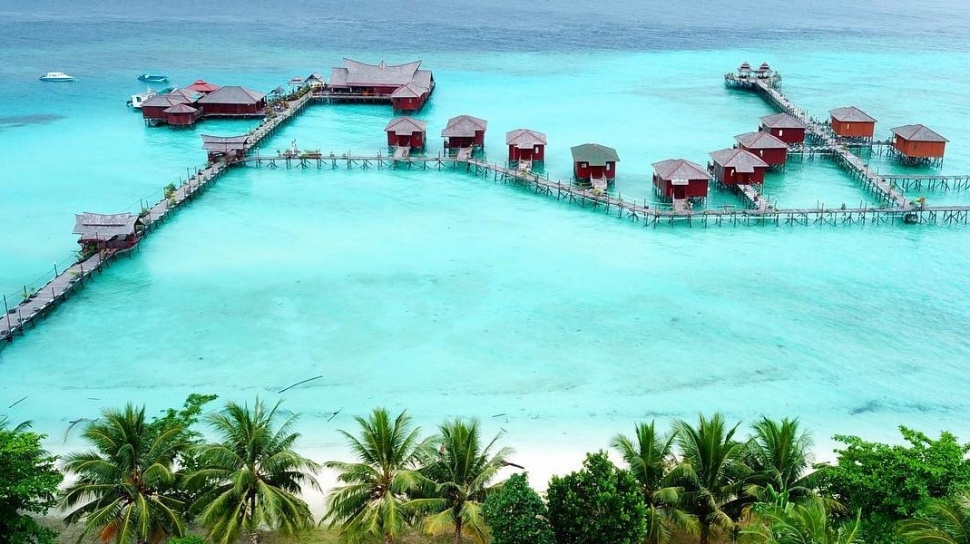
- Overwater Villas: Experience the "Maldives" vibe by staying in wooden bungalows built directly over the reef. Waking up to the sound of waves beneath your floorboards is an experience like no other.
- Eco-Conscious Travel: Many resorts here focus on sustainability, using solar energy and supporting local reef conservation projects to ensure the island stays pristine for decades to come.
How to Get There
The "remote" charm of Maratua is now more accessible than ever:
- By Air: You can fly into Maratua Airport (MRT) via Berau or Balikpapan. These short flights offer a breathtaking aerial view of the atoll.
- By Sea: For the more adventurous, a 3-hour speedboat ride from the port of Tanjung Redeb or Tanjung Batu provides a thrilling entry into the archipelago.
When to Visit
The best time to visit is during the dry season, from April to October. During these months, the sea is calm, and visibility underwater can reach a staggering 30+ meters, perfect for photography.
Final Verdict
Maratua is a rare gem that balances raw, untamed nature with serene luxury. It’s a place where time slows down, where the horizon blurs between the sky and the sea, and where every sunset feels like a private show. For the global traveler seeking the next great frontier, Maratua isn't just a destination—it’s an awakening.
Budgeting for Paradise: What to Expect
Planning a trip to a remote island like Maratua requires careful financial planning. While it is more expensive than Bali due to its remote location, it offers incredible value for the experience provided. Note: All prices are estimates and may fluctuate based on exchange rates and season.
1. Transportation Costs (The Biggest Hurdle)
- Flights: A round-trip flight from Jakarta (CGK) to Berau (BEJ) typically costs $180 – $300 USD.
- Connecting to Maratua: By Air: A small plane from Berau to Maratua Airport costs around $40 – $70 USD one way. By Speedboat: Renting a private speedboat from Tanjung Batu can cost $150 – $250 USD (best shared with a group). Public speedboats or shared transfers arranged by resorts usually cost $30 – $50 USD per person.
2. Accommodation Options
- Budget (Homestays): Staying in local guesthouses in the village costs around $20 – $40 USD per night. This is a great way to immerse yourself in the local culture.
- Mid-Range (Beachfront Cottages): Standard resorts or comfortable wooden cottages range from $60 – $120 USD per night, often including breakfast.
- Luxury (Overwater Villas): High-end resorts like Maratua Paradise Resort or Pratasaba range from $150 – $400 USD per night. These usually offer "full-board" packages (all meals included).
3. Diving & Activities
- Diving: A single boat dive typically costs $35 – $50 USD, including gear rental. Discovery Scuba (for non-certified divers) is around $80 – $100 USD.
- Island Hopping: A day trip to Kakaban (Jellyfish Lake) and Sangalaki (Manta Ray point) usually costs $100 – $150 USD per boat (can be split between 4–6 people).
- Entrance Fees: Small fees for spots like Goa Halo Tabung or Kehe Daing are usually around $1 – $3 USD.
Estimated Daily Total Budget
- The Backpacker ($40 – $60/day): Staying in homestays, eating at local warungs, and snorkeling from the shore.
- The Explorer ($100 – $180/day): Mid-range resort, mix of local and resort dining, and frequent snorkeling/diving trips.
- The Luxury Traveler ($300 – $500+/day): Premiumoverwater villa, full-board gourmet meals, and private chartered boats for diving and tours.
Money-Saving Tips:
1. Travel in a Group: Most costs in Maratua (especially boats) are fixed per vessel. Splitting a boat with 4–5 people can cut your transport costs by 70%.
2. Book "All-Inclusive" Packages: Many resorts offer 3D2N or 4D3N packages that include airport transfers, meals, and snorkeling tours. This often works out cheaper than paying for everything separately.
3. Bring Cash: While some luxury resorts accept credit cards, the local villages and small operators only take Indonesian Rupiah (IDR). ATMs are very scarce on the island.

The Ultimate Packing List for Maratua Island
Since Maratua is a remote island with limited shopping facilities, being well-prepared is key to an enjoyable trip. Here is what you should pack:
1. Water & Adventure Gear
- Personal Snorkel Gear: While resorts rent equipment, having your own mask and snorkel ensures a better fit and better hygiene.
- Rash Guard (UV Protection): The tropical sun is intense. A long-sleeved rash guard will protect your skin from sunburn and occasional jellyfish stings while snorkeling.
- Dry Bag: Essential for keeping your camera, phone, and wallet dry during speedboat transfers and island-hopping tours.
- Reef-Safe Sunscreen: Protect the coral reefs! Traditional sunscreens contain chemicals that harm marine life. Look for "Oxybenzone-free" labels.
2. Electronics & Connectivity
- Power Bank: Electricity on the island can sometimes be intermittent, especially in smaller homestays.
- Underwater Camera (GoPro): You’ll want to capture the "Barracuda Tornado" and the sea turtles. Don’t forget extra batteries and memory cards.
- Local SIM Card: Telkomsel generally has the best coverage in the area, but don't expect high-speed 5G. Download offline maps and documents beforehand.
- Universal Travel Adapter: Indonesia uses Type C and F plugs (two round pins).
3. Health & Hygiene
- Mosquito Repellent: Being a tropical island with lush vegetation, mosquitoes are active during dawn and dusk.
- Personal Medication: There are no major pharmacies on the island. Bring your own supply of motion sickness pills (for the boat rides), painkillers, and basic first-aid items.
- Reusable Water Bottle: Help reduce plastic waste. Most resorts provide water dispensers for refills.
4. Clothing & Footwear
- Light, Breathable Clothing: Think linen or quick-dry fabrics. The humidity is high.
- Water Shoes: Essential for walking on rocky areas or exploring caves like Goa Halo Tabung to prevent cuts from sharp rocks.
- Modest Swimwear: While bikinis are fine at resorts, it is respectful to cover up slightly (like wearing a sarong) when walking through the local villages.
5. Financial Essentials
Cash (Indonesian Rupiah): This is non-negotiable. ATMs are nearly non-existent on the island, and small vendors do not accept cards or e-wallets.
A Taste of the Ocean: Local Culinary Delights
No trip to Maratua is complete without savoring the fresh, bold flavors of the Berau region. Being an island destination, the cuisine is heavily centered around the freshest catch from the sea, infused with traditional Indonesian spices.
1. Tehe-Tehe (Stuffed Sea Urchin)
This is Maratua’s most iconic traditional dish, rooted in the Bajau culture. Sea urchin shells are cleaned and stuffed with seasoned glutinous rice, then boiled or steamed. It offers a unique, savory, and slightly creamy taste—a true delicacy for adventurous foodies.
2. Kima-Kima (Dried Giant Clam)
Kima is a type of giant clam that is often sliced, dried, and then sautéed with spicy chili paste (sambal). It has a chewy texture similar to jerky or squid and is a favorite side dish among the locals.
3. Sangko (Traditional Bajau Cake)
For those with a sweet tooth, Sangko is a must-try. Made from a mixture of glutinous rice flour and palm sugar, this cake is traditionally steamed in banana leaves. It’s the perfect companion for your morning coffee or afternoon tea while watching the sunset.
4. Elai Fruit (The "Golden" Durian)
If you visit during the right season, look for Elai. This fruit is indigenous to Borneo and looks like a small durian, but with vibrant orange or golden flesh. Unlike durian, Elai has a milder scent and a drier, creamier texture, often described as having a hint of pumpkin or sweet potato.
5. Fresh Seafood Platters
The luxury of Maratua is being able to eat seafood that was caught just hours before it hits your plate. From grilled snapper and grouper to giant tiger prawns, most resorts and local warungs serve seafood with Sambal Raja, a spicy and tangy condiment typical of East Kalimantan.
Dining Tips for Travelers:
- Eat Local: Visit the small warungs (eateries) in the villages of Payung-Payung or Bohe Silian for the most authentic and affordable meals.
- Stay Hydrated: Fresh coconut water is available everywhere on the island. It’s the best natural electrolyte after a long day of diving.
- Dietary Note: Most local dishes are naturally gluten-free and focus on whole foods, but they can be quite spicy. Don't hesitate to ask for "tidak pedas" (not spicy) if you have a sensitive palate.
Post a Comment